

Quick Answer
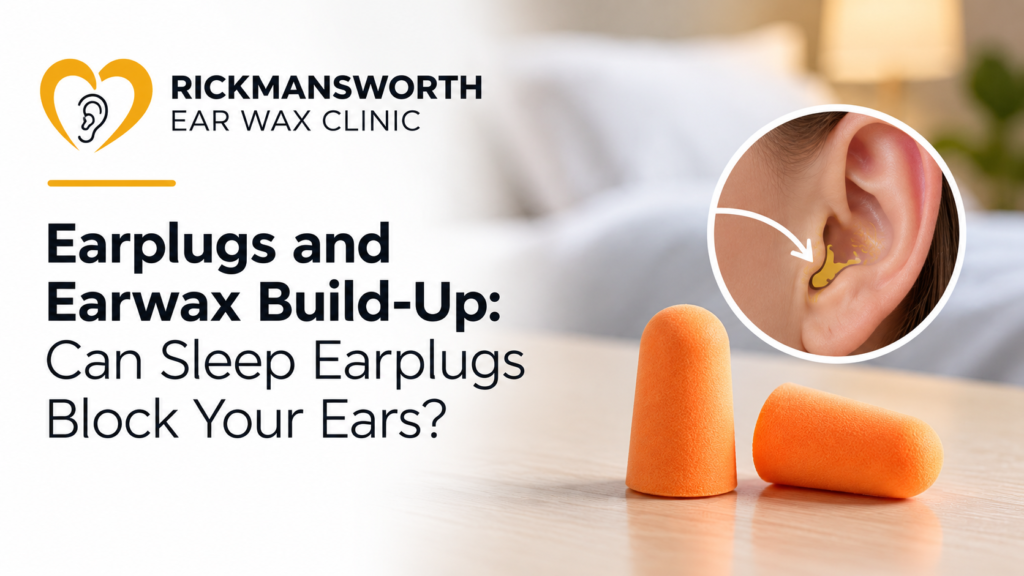
Yes, earplugs and earwax build-up can be connected. Frequently wearing sleep earplugs may interfere with the ear’s natural wax-clearing process and can sometimes push existing wax deeper into the canal. This does not happen to everyone, but regular earplug users who develop fullness, muffled hearing or discomfort should consider an ear assessment.
Introduction
Sleep earplugs can be useful for blocking snoring, traffic or other nighttime noise, but some people notice their ears becoming blocked after using them regularly.
Earwax normally moves gradually towards the opening of the ear and falls away naturally. Repeatedly placing something inside the ear canal can interfere with that movement. NHS ear-care information notes that earplugs can contribute to wax being pushed further into the canal and building up.
If you frequently use sleep earplugs, understanding the connection between earplugs and earwax build-up can help you recognise problems early.
Key Takeaways
- Earplugs can interfere with natural earwax clearance.
- Repeated insertion may contribute to wax becoming impacted.
- Not everyone who sleeps with earplugs will develop blockage.
- Muffled hearing, fullness, tinnitus or discomfort may suggest excess wax.
- Cotton buds should not be used to clean the ears after wearing plugs.
- Earwax is protective and does not need routine removal.
- Persistent symptoms should be professionally assessed.
Why Can Sleep Earplugs Cause Earwax Build-Up?
Earplugs can contribute to wax build-up because they sit inside the ear canal and may obstruct the normal outward movement of earwax.
The Rotherham NHS Foundation Trust states that earplugs can have an effect similar to cotton buds by interfering with normal wax clearance.
Rickmansworth Earwax Clinic also lists wearing earplugs among the reasons some people develop earwax build-up.
This does not mean the earplug itself creates extra wax in every case. Often, the issue is that existing wax is unable to move outward normally.
Can Earplugs Push Wax Deeper?
Yes, repeated use can sometimes push existing wax further into the ear canal.
NHS-affiliated guidance notes that items placed in the ear, including earplugs, may push wax further inward and contribute to blockage.
Your risk may be greater if you already have:
- Narrow or hairy ear canals
- Naturally hard or dry wax
- Frequent previous blockages
- Hearing aids or other in-ear devices
- Regular use of sleep or workplace earplugs
Ear anatomy differs between people, so one person may wear earplugs nightly without problems while another develops recurrent blockage.
What Are the Signs of Earwax Blockage?
Earwax blockage commonly causes gradual changes rather than sudden severe symptoms.
The NHS lists hearing loss, earache or a blocked sensation, tinnitus and dizziness among possible symptoms of wax build-up.
Sleep-earplug users may notice that one ear feels more blocked in the morning, conversations seem muffled or audio sounds quieter on one side.
These symptoms are not always caused by wax, which is why an ear examination is more reliable than guessing.
Sleep Earplugs vs Over-Ear Noise Protection
Devices that do not enter the ear canal are less likely to interfere directly with wax movement.
Option | Sits Inside Ear Canal? | Wax Consideration |
Foam sleep earplugs | Yes | May interfere with wax clearance |
Silicone in-ear plugs | Usually | May contribute to blockage in some users |
Custom earplugs | Yes | Still occupy the canal |
Over-ear protection | No | Does not directly obstruct wax movement |
If you repeatedly develop wax problems, reducing continuous in-ear use may be worth discussing with an ear-care professional.
Should You Clean Your Ears After Removing Earplugs?
No. Avoid inserting cotton buds, fingers or cleaning tools into your ear canal.
NICE advises against using small objects such as cotton buds because they can damage the ear canal or eardrum and push wax deeper.
Instead, clean only the visible outer ear with a soft cloth.
Rickmansworth Earwax Clinic’s Safe Ear Care Guide also recommends allowing earwax to clear naturally rather than repeatedly cleaning inside the canal.
How Can You Reduce Earwax Problems While Using Earplugs?
You do not necessarily need to stop using sleep earplugs, but sensible habits may reduce avoidable problems.
Keep reusable earplugs clean according to their manufacturer’s instructions, avoid inserting them unnecessarily deeply and give your ears breaks from in-ear devices where practical.
Most importantly, do not try to compensate for daily earplug use by cleaning the ear canal with cotton buds.
If you repeatedly experience wax blockage, ask a pharmacist or ear-care professional whether a suitable wax-softening approach may help. The NHS notes that olive or almond oil can sometimes soften uncomplicated wax build-up, although drops are not suitable for everyone.
When Should You Get Your Ears Checked?
Arrange an ear assessment when fullness, muffled hearing or discomfort persists after removing your earplugs.
NICE recommends professional wax removal when wax is contributing to hearing loss or other symptoms. Suitable professional methods can include microsuction, electronic irrigation or manual removal by appropriately trained practitioners.
Do not assume sudden hearing loss is caused by earwax. Sudden or rapidly worsening unexplained hearing loss requires urgent specialist assessment.
How Can Rickmansworth Earwax Clinic Help?
Rickmansworth Earwax Clinic can examine your ears to confirm whether wax is responsible for your symptoms.
The clinic’s Consultation Process includes otoscopic inspection followed by microsuction where appropriate. The clinic also advises suitable patients on wax softening before treatment.
Rickmansworth Earwax Clinic
3 Tudor Way, Berry Lane
Rickmansworth, WD3 4DF
If attending the clinic is difficult, an At-Home Earwax Removal Service may also be available.
Common Misconceptions
“Sleep earplugs always cause wax blockage.”
No. They can contribute, but individual wax production, canal shape and frequency of use also matter.
“I should clean my ears every morning after using earplugs.”
No. The ear canal normally cleans itself.
“Cotton buds will remove the wax caused by earplugs.”
They may instead push wax deeper.
“Every blocked ear is caused by wax.”
No. Infection, inflammation and other hearing conditions can cause similar symptoms.
People Also Ask
Can sleeping with earplugs cause earwax build-up?
Yes. Frequent earplug use can interfere with natural wax clearance and contribute to blockage in some people.
Can earplugs push wax towards the eardrum?
They may push existing wax deeper when repeatedly inserted into the canal.
Should I stop wearing sleep earplugs if my ears feel blocked?
Consider reducing use and arranging an ear check if symptoms persist.
Should I use cotton buds after wearing earplugs?
No. Cotton buds can push wax further into the canal.
Where can I get earwax removed in Rickmansworth?
Rickmansworth Earwax Clinic provides professional ear assessment and microsuction where suitable.
Conclusion
Earplugs and earwax build-up can be connected because regularly inserting sleep earplugs may interfere with the ear’s natural wax-clearing process and contribute to compaction.
You do not necessarily need to stop using earplugs, but avoid cotton buds, keep reusable plugs clean and pay attention to recurring blockage or hearing changes.
Rickmansworth Earwax Clinic can examine the ear and provide professional microsuction when wax removal is appropriate.
Medical notice: This article provides general ear-health information and does not replace personalised medical assessment.
FAQs
Do foam earplugs cause more earwax?
They do not necessarily produce more wax, but they may interfere with natural clearance
Can silicone earplugs cause blockage?
Any plug inserted into the canal may contribute to blockage in someone prone to wax.
Is earwax harmful?
Usually not. Earwax protects the ear canal from dirt and germs.
Can earwax affect hearing?
Yes. Impacted wax can cause temporary hearing loss.
Can I use olive oil for blocked ears?
It may help uncomplicated wax, but seek advice first if you have eardrum problems, discharge, pain or previous ear surgery.
Is microsuction suitable for earplug-related wax?
It may be suitable after professional examination confirms that wax removal is appropriate.
Should I have regular ear checks if I use earplugs every night?
Routine checks are not necessary for everyone, but recurrent symptoms or repeated wax problems justify assessment.
What if hearing remains reduced after wax removal?
Seek medical or audiology assessment because another cause may be responsible.
